There’s a moment in some divorces when the hurt turns into a plan. Maybe your spouse said something unforgivable. Maybe trust has been broken one too many times. Maybe you’ve spent years feeling unheard, and now that you’re finally ready to leave, you want to make...
There’s a particular moment in divorce when the room gets very quiet. Maybe a settlement proposal has just arrived. Maybe the other attorney has said, “This is a very reasonable offer.” Maybe you’re looking at six pages of legal language and thinking, I have no idea...
There comes a point in many marriages when someone finally says the thing they have been thinking for months, maybe years: “I don’t know if I can do this anymore.” Sometimes that sentence means, I’m exhausted. Sometimes it means, I’m hurt. Sometimes it means, I’ve...
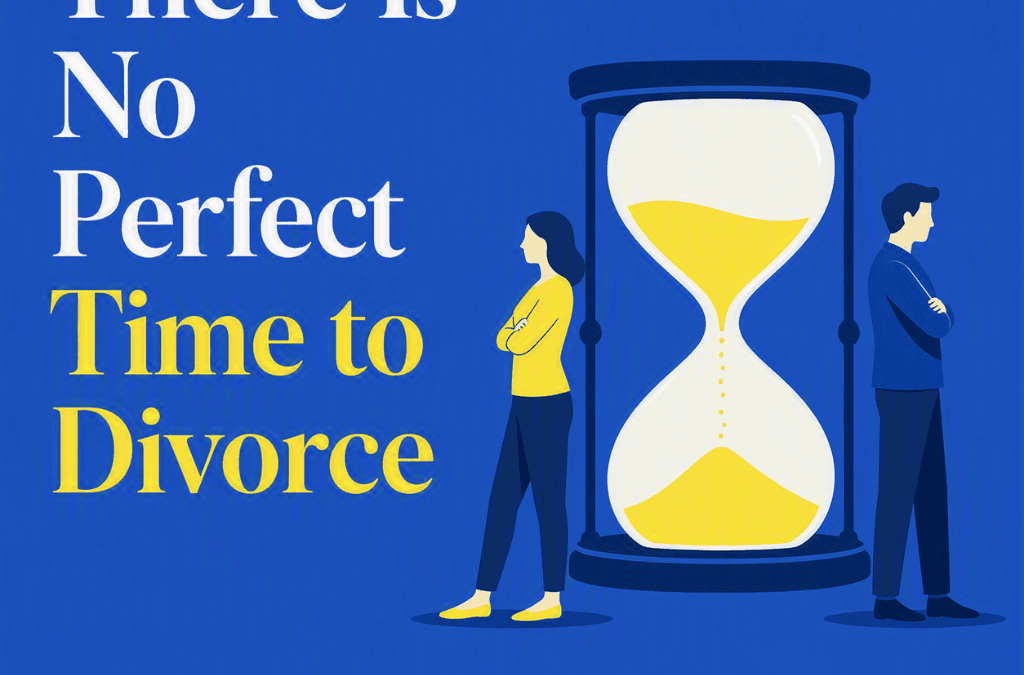
There is almost always a reason to wait. The kids are too young. The holidays are coming. Money is tight. Work is crazy. Maybe next year will be different. Maybe things will get better. Maybe this isn’t the right time. And sometimes, waiting is exactly the right...
There is a funny thing about the phrase “meet in the middle.” We usually hear it when someone wants us to compromise. “You take the first half. I’ll take the second.” “You give a little. I’ll give a little.” “Nobody gets everything they want, but everybody...