Understanding Uncontested Divorce in Georgia
An uncontested divorce in Georgia occurs when both spouses agree on all terms of the divorce, including asset division, child custody, and support arrangements. This process is generally quicker and less expensive than a contested divorce, making it an attractive option for many couples.
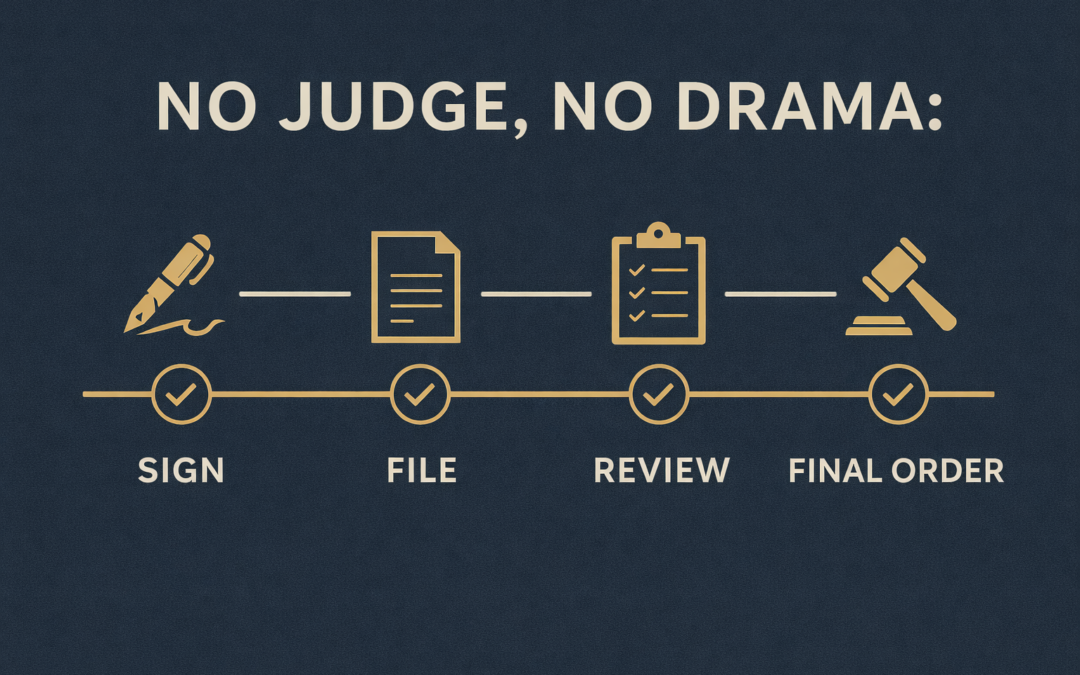
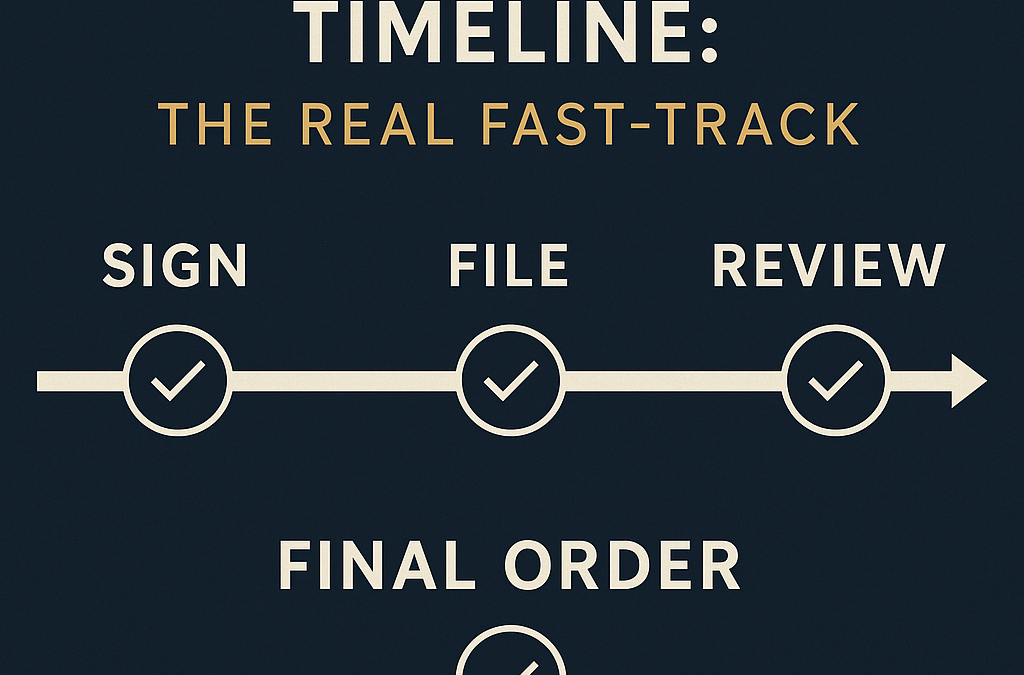
To qualify for an uncontested divorce, both parties must file a joint petition and ensure all necessary documents are completed accurately. Georgia law requires that both spouses attend a final hearing, but in most cases, this can be done without the need for a lengthy court battle.
Financial Considerations During Uncontested Divorce
Financial planning is crucial during an uncontested divorce to ensure both parties are protected and understand their obligations. This includes evaluating shared debts, assets, and future financial responsibilities, such as child support and alimony.
It's advisable to consult with a financial advisor or attorney to create a comprehensive financial agreement that addresses all aspects of your financial situation. This can help prevent disputes later on and ensure a smoother transition post-divorce.
Common Misconceptions About Uncontested Divorce
Many individuals hold misconceptions about uncontested divorce, believing it is an easy way to bypass legal responsibilities. However, even in uncontested cases, legal documentation and adherence to state laws are essential to ensure that the divorce is valid and enforceable.
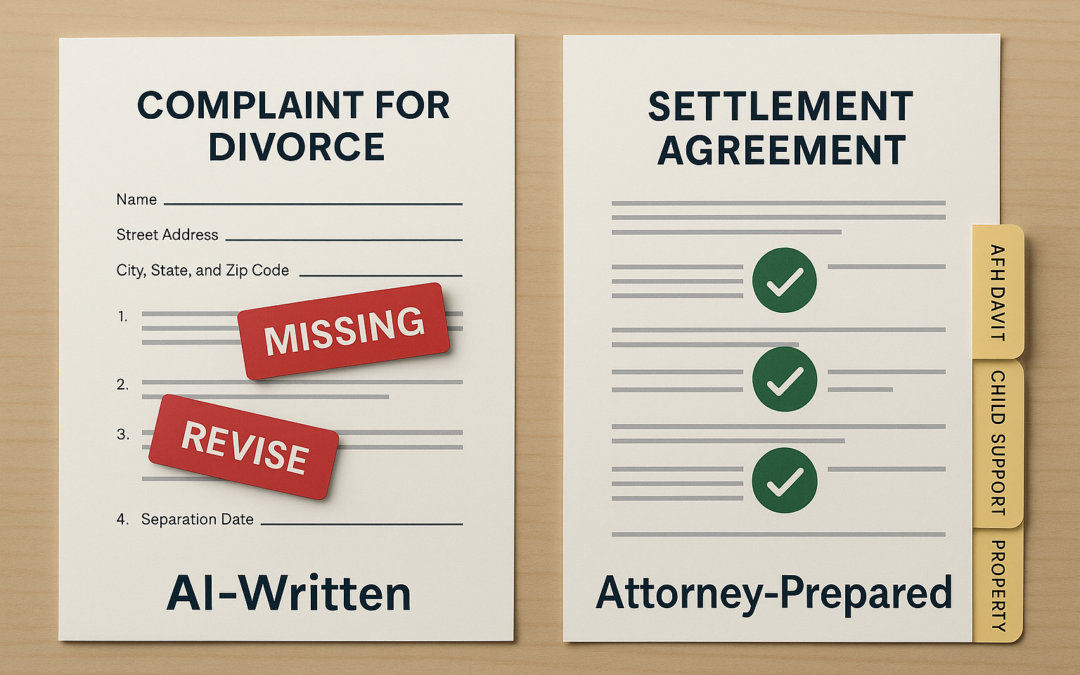
For instance, some may think they can simply agree on terms verbally. In reality, all agreements must be documented and submitted to the court. Understanding these nuances can help couples navigate the process more effectively and avoid pitfalls.
The Role of Mediation in Uncontested Divorce
Mediation can play a significant role in facilitating an uncontested divorce, especially when couples face challenges in reaching agreements. A neutral third-party mediator can guide discussions, helping both parties communicate their needs and find common ground.
Utilizing mediation can lead to a more amicable resolution and reduce the likelihood of future conflicts. It also allows couples to maintain control over their decisions rather than leaving them in the hands of a judge, which is particularly beneficial in sensitive matters like child custody.